Transforming Digital Spaces with Fantasy Art Backgrounds
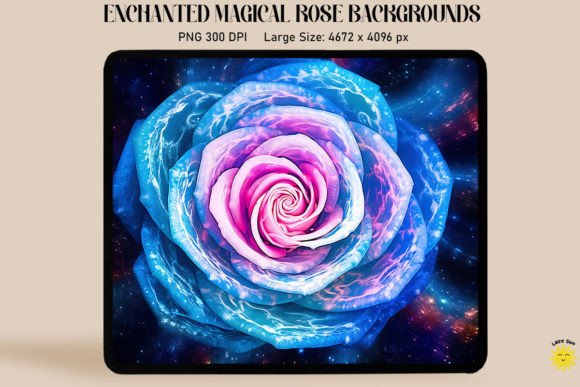
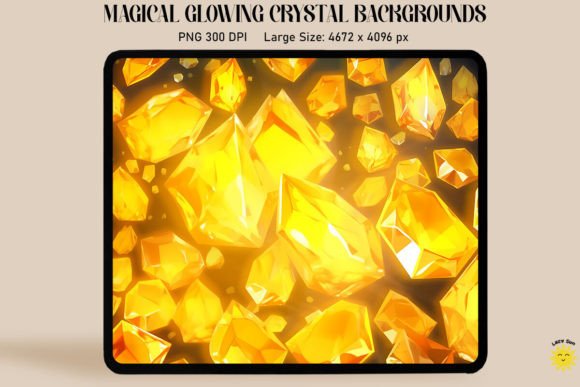
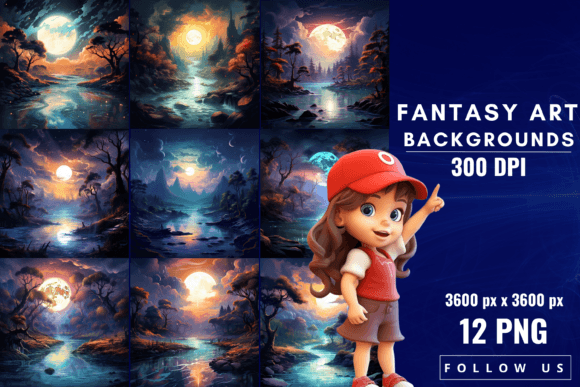
When you are working on a project that requires a sense of wonder, standard stock photography often falls short. You need imagery that transcends the ordinary, transporting the viewer to places that exist only in the mind's eye. This is where Fantasy Art Backgrounds become an indispensable tool in a creative professional's arsenal. These are not just simple backdrops; they are intricate, high-resolution visual narratives. Imagine sprawling landscapes where ancient castles pierce through misty clouds, mythical creatures roam bioluminescent forests, or celestial skies swirl with unexplained magic. The visual personality of these backgrounds is defined by their depth, vibrant color palettes, and meticulous attention to detail, offering a distinct aesthetic that blends realism with the impossible.
For designers and brand strategists, the appeal lies in the versatility of the mood. Unlike a generic sans serif font or a standard corporate image, fantasy art evokes specific emotions—mystery, adventure, nostalgia, or grandeur. The texture is rich, often mimicking the brushstrokes of oil painting or the sharp clarity of digital concept art. This style is particularly effective for projects that need to stand out in a saturated market. Whether you are designing a book cover, a podcast thumbnail, or a landing page for a gaming startup, using Fantasy Art Backgrounds immediately signals to your audience that the content is immersive and carefully curated.
Strategic Applications for Modern Creators
Understanding where to deploy these assets is key to maximizing their impact. While they are an obvious fit for the entertainment industry, their utility extends far beyond that niche. In web design, a subtle fantasy background can serve as a powerful hero image, setting the tone for a brand identity that values creativity and imagination. For entrepreneurs in the wellness or coaching sectors, ethereal landscapes can symbolize personal growth, journey, and transformation. The key is to treat these backgrounds as design assets that support your message rather than overpower it.
Consider the following practical applications for integrating these visuals into your workflow:
- Social Media Graphics: In the fast-scrolling world of Instagram or Pinterest, a visually arresting fantasy landscape stops the thumb. It provides a unique texture for text overlays that a standard flat color cannot match.
- Editorial Design and Publishing: For bloggers and authors, these backgrounds are perfect for headers and chapter dividers. They help build the "world" of the content, making the reading experience more cohesive.
- Packaging Design: Products aimed at hobbyists, such as candles, teas, or artisanal crafts, benefit from packaging that tells a story. A fantasy backdrop can elevate a simple product to something magical.
- Presentations and Pitch Decks: If you are pitching a creative concept, using a premium font paired with a fantasy background demonstrates a high level of aesthetic awareness and professionalism.
When you choose to follow our store, you gain access to a library of these high-quality files, ranging from free samples to premium collections. This ensures you always have fresh visual fuel for your projects, keeping your content dynamic and engaging.
Integrating Imagery with Typography and Brand Identity
One of the most common challenges with complex backgrounds is maintaining readability. This is where your choice of typography becomes critical. When overlaying text on a detailed fantasy scene, you need to ensure high contrast. A bold display font or a clean serif font usually works best against intricate landscapes. Avoid overly delicate script fonts or light handwritten fonts unless you place them over a solid, semi-transparent overlay or a quieter area of the image.
Effective font pairing involves balancing the energy of the background with the clarity of the message. For instance, if you are using a background with a "Dark Academia" or Gothic aesthetic—think stone textures and shadowy forests—a sharp, modern typeface can create a striking contrast that feels contemporary yet thematic. Conversely, if the background is whimsical and bright, a rounded sans serif font might harmonize better with the friendly atmosphere.
From a brand identity perspective, consistency is vital. If you decide to use Fantasy Art Backgrounds for your brand, ensure the style remains consistent. Mixing hyper-realistic sci-fi renders with hand-painted watercolor fantasy can confuse your audience. Select a specific "realm" and stick to it. This consistency builds recognition and helps establish a professional tone, proving that you are not just picking random images, but curating a specific visual experience.
Practical Tips for Selection and Licensing
Before downloading, always evaluate the technical specifications of the file. High resolution is non-negotiable for print work, such as posters or packaging design, where pixelation can ruin the illusion. Check the file formats included; PNG files with transparent elements are particularly useful for layering, while JPGs are standard for full backgrounds.
Furthermore, always review the commercial licensing terms. As a commercial font or asset user, you need to ensure that your usage rights cover your specific project, whether it is a client logo, merchandise for sale, or digital marketing materials. Reliable marketplaces provide clear licensing information, allowing you to unleash your creativity without legal worries.
Ultimately, Fantasy Art Backgrounds are more than just decoration; they are a bridge to the imagination. By selecting the right image and pairing it with thoughtful typography, you can create digital and print experiences that resonate deeply with your audience, transforming a simple design into a portal to another world.