Modern Backgrounds: Abstract Textures for Creative Projects
In the world of digital and print design, the foundation of a compelling visual often lies not in the foreground, but in the space behind it. Modern and contemporary design relies heavily on texture, depth, and atmosphere—elements that abstract backgrounds provide in abundance. These aren't your grandmother's floral prints or predictable geometric grids. Today's abstract textures are sophisticated, layered, and versatile, offering a visual language that speaks to minimalism, complexity, emotion, and professionalism all at once. Whether you're crafting a brand identity, designing packaging, or creating a series of art prints, the right background texture can elevate your work from ordinary to memorable.
The Visual Language of Contemporary Textures
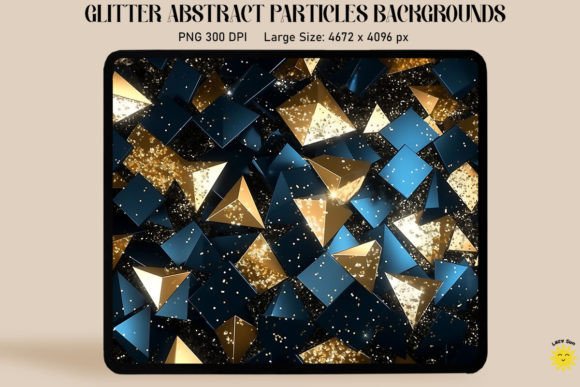
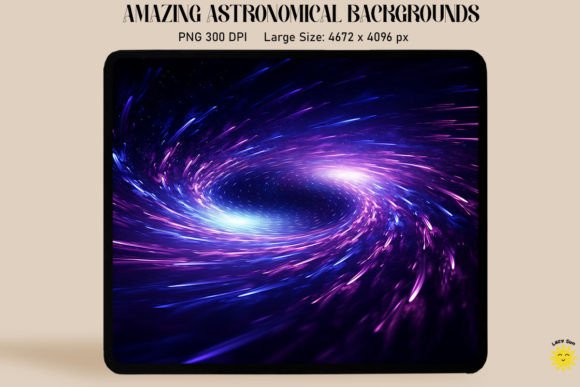
What defines a modern abstract background? It's less about specific shapes and more about mood, movement, and materiality. Think of soft, watercolor washes that bleed into one another, creating a sense of organic calm. Consider the gritty, tactile feel of concrete or stone, translated into a digital file that adds instant depth to a flat screen. There are also the more dynamic options: fluid gradients that shift from warm to cool tones, or intricate, hand-drawn line work that suggests complexity without overwhelming the eye. These textures are designed to be felt as much as seen. They have a personality—some are serene and meditative, others are bold and energetic. The key characteristic is their ability to support and enhance primary content without competing for attention. They act as a silent partner, setting the stage for typography, imagery, and messaging to shine.
The appeal of these assets lies in their adaptability. A single, well-designed abstract texture file can be used across a multitude of projects. A soft, neutral wash might be perfect for a wedding invitation suite one day and the background of a corporate website hero section the next. A bold, graphic texture could become the surface of a modern furniture piece in a 3D rendering or the wrapping paper for a boutique gift box. This versatility makes them invaluable design assets for professionals and hobbyists alike. For a small business owner, investing in a library of high-quality, editable backgrounds means having a consistent visual toolkit that can be applied to social media graphics, product packaging, and printed marketing materials, ensuring a cohesive brand identity across every customer touchpoint.
Where Abstract Textures Excel: From Screen to Surface
The true test of a great background texture is its performance across diverse applications. In digital spaces, these textures are workhorses. Web designers use them to create engaging hero sections, subtle page backgrounds, and dynamic hover effects. They add visual interest to social media templates, making Instagram posts and Facebook ads stand out in a crowded feed. For content creators and bloggers, a textured background can frame a quote graphic or a podcast cover art, adding a layer of professionalism that plain color blocks cannot achieve. In the realm of digital paper illustration, they form the basis for printable planners, journaling pages, and digital scrapbook kits, offering users a rich, tactile experience on their screens.
When moving to print, the applications expand even further. The modern abstract background is a cornerstone of contemporary editorial design. Imagine a magazine spread where the article text is overlaid on a subtle, linen-like texture, or a book cover where a dramatic, ink-splatter effect creates immediate intrigue. For packaging design, these textures can differentiate a product on the shelf. A skincare brand might use a soft, marble-inspired texture to convey luxury and purity, while a tech company could opt for a sleek, metallic gradient to suggest innovation. The possibilities extend to physical products: wallpaper and wall art for interior designers, patterns for textile prints, surfaces for decoupage projects, and unique finishes for greeting cards, gift tags, and wrapping paper. The ability to edit these files—adjusting color, scale, or opacity—is crucial for matching a specific brand palette or project requirement.
Choosing and Implementing Your Backgrounds
Selecting the right abstract texture is a strategic decision. Start by defining the emotion and message of your project. Is it calm, urgent, playful, or serious? Your background should align with that core idea. Next, consider the context. A background that looks stunning on a large monitor might become a muddy mess when printed at a small size on a business card. Always test at the intended output size and resolution. Look for files that are high-resolution and come in editable formats like layered PSD, AI, or high-quality JPEG/PNG with transparency options. This gives you the control needed to integrate the texture seamlessly into your workflow.
A critical step is evaluating how your chosen background interacts with your primary design elements, especially typography. If you're using a display font for a headline, ensure the background texture doesn't clash with its style or make the letterforms difficult to read. A busy, high-contrast texture might overwhelm a delicate script font, while a simple, uniform texture might not provide enough visual interest to complement a bold serif font. Test font pairings against the background early in the design process. The goal is to create a clear visual hierarchy, where the text is always legible and the background enhances, rather than hinders, the overall composition.
For commercial projects, licensing is non-negotiable. Always verify that the license for your chosen premium font or background texture covers your intended use—whether it's for a client's logo design, a product you plan to sell, or social media graphics for your business. Reputable sources will provide clear licensing terms. By thoughtfully integrating these modern abstract textures into your toolkit, you're not just decorating; you're building a more robust, flexible, and professional visual language for any project that comes your way. They are the unsung heroes of modern typography and design, providing the depth and character that make contemporary work feel complete.